Do Babies Need Expensive Gifts? An Honest Answer
The short answer: no
Babies have no idea what anything costs. They can’t tell a designer sleepsuit from a supermarket one, and they will happily ignore an expensive toy in favour of the box it came in. If you’ve ever watched a one-year-old at Christmas, you already know this.
So why do so many of us feel pressure to spend big on a newborn gift? Mostly because price feels like a shortcut for effort. A luxury hamper says “I made an occasion of this” without you having to think very hard. The trouble is, the person opening it can usually tell the difference between money and thought — and thought wins every time.
What babies actually respond to
Newborns and small babies care about a handful of things: softness against their skin, familiar textures and smells, faces, voices, and simple cause-and-effect play. A cotton muslin that ends up as the comfort object they refuse to sleep without has done more for that baby than any premium-branded outfit worn twice for photos.
The same goes for toys. A well-made wooden toy a baby can grip, drop and chew — something like Pick A Stick — gets played with daily. Complicated, expensive toys tend to get admired once and shelved.
What parents notice instead
Parents don’t clock the price tag either, at least not in the way you might fear. What they notice, in the sleep-deprived blur of the first months, is whether a gift gets used. The things that earn genuine gratitude are the ones that make an ordinary Tuesday slightly easier: a hooded towel at bath time, a spare dummy clip when the third one has vanished under the sofa, a feeding set that survives being thrown on the floor forty times.
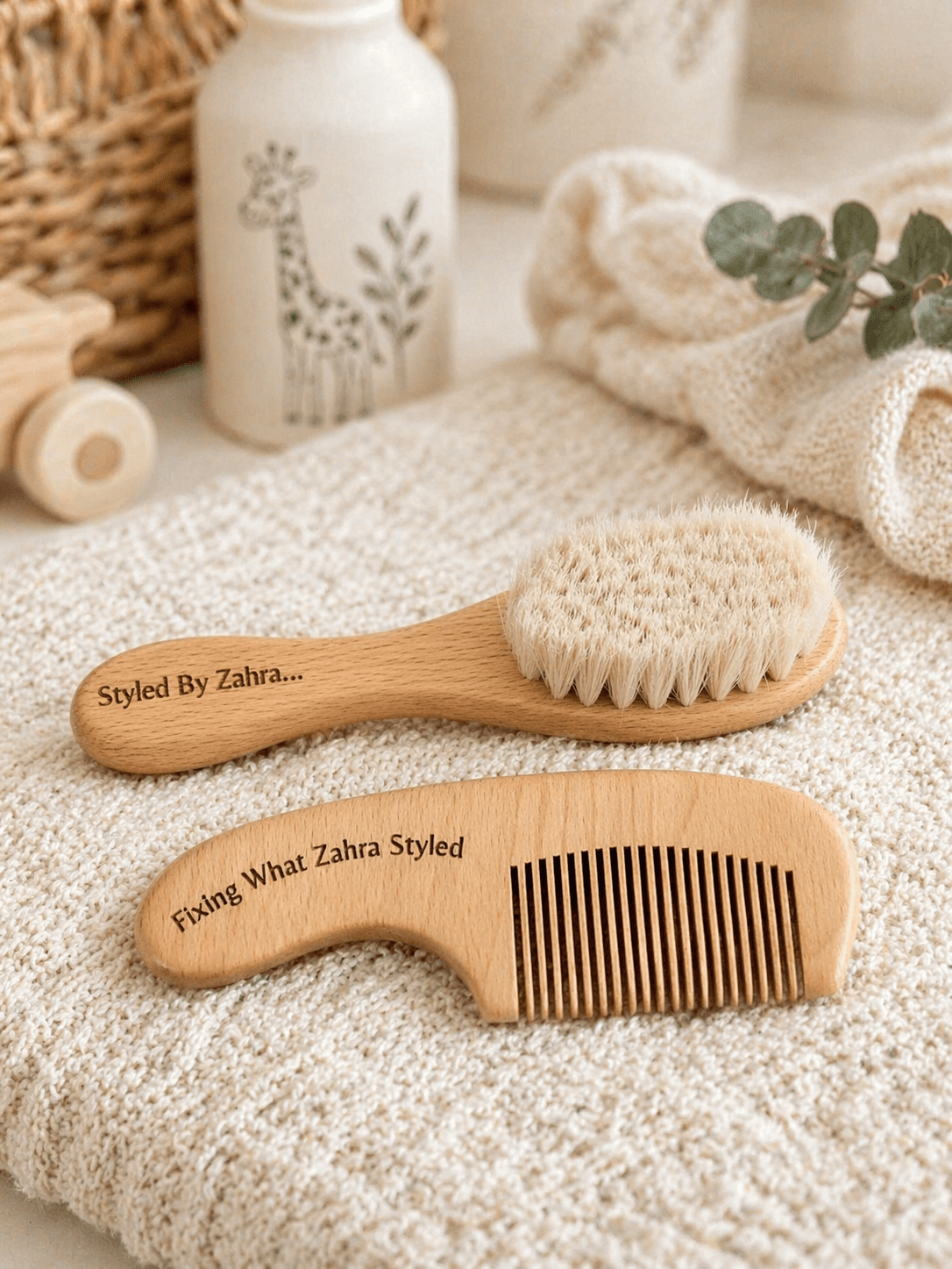
They also notice when something was clearly chosen for their baby — a name engraved on a wooden keepsake, a colour picked to match the nursery. That kind of detail costs very little, but it’s what gets remembered.
Where spending a bit more does make sense
None of this means cheapest is best. There’s a real difference between affordable and flimsy. A gift that falls apart after a fortnight isn’t a kindness, however little it cost. The sensible middle ground is fewer, better things: one soft teddy that lasts through toddlerhood beats five that pill and sag by month two. A wooden wind-up music box that still plays the same lullaby years later becomes a keepsake; a plastic one that dies in weeks becomes landfill.
So the question isn’t really “how much should I spend?” It’s “will this still matter in a year?”
How to give something special on a normal budget
This is exactly why we built our boxes the way we did. When you build your own baby gift box, you pick a crib-shaped keepsake box in pink, blue or neutral, then fill it yourself from four categories — everyday essentials, soft comforters and teddies, wooden toys, and music boxes. The Small box starts at £32 with contents included, so a genuinely personal, useful gift doesn’t have to mean a three-figure spend. Wooden items can be engraved with the baby’s name, and you choose colours item by item.
Because you’re choosing every piece, nothing in the box is filler — which is the quiet problem with a lot of pre-made hampers, as we’ve written about in our honest guide to whether baby hampers are worth it.
And if money is genuinely tight
Don’t sit a gift out because you can’t stretch to something grand. Group gifting solves this neatly: three or four friends each putting in £10–£15 can build one really lovely box together, rather than four small separate gifts the parents have to find homes for. We’ve covered how to organise it in our post on chipping in for a baby gift box.
However you do it, the answer to the original question doesn’t change. Babies need comfort, warmth and people who show up. Parents need practical help and a few things worth keeping. Neither of those has ever depended on the price.
Looking for the perfect baby gift?
Choose a box colour and size, fill it with handpicked keepsakes and add free personalisation.
Build your own baby gift boxMore from the Journal
More Articles →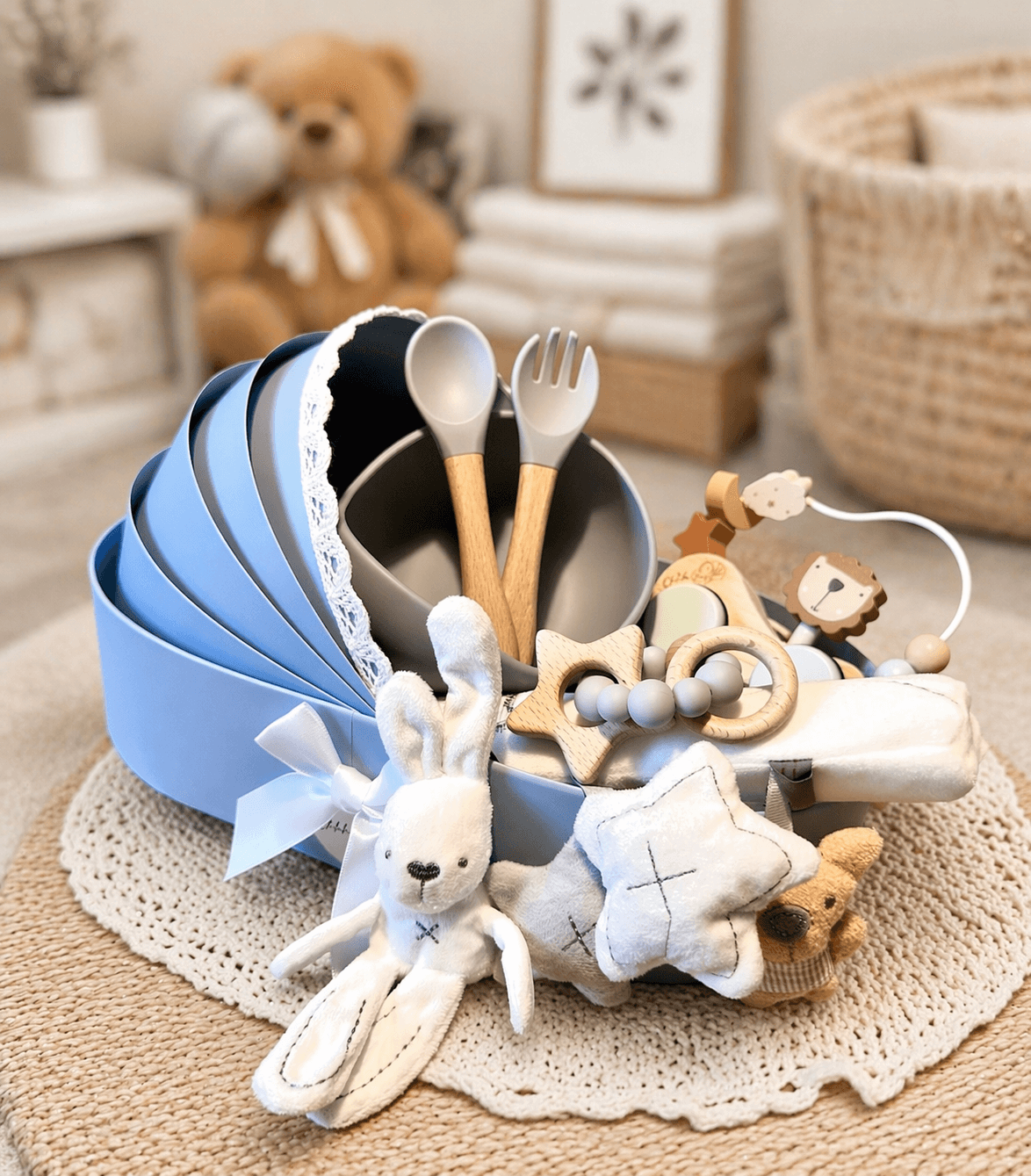
Best Baby Gift Boxes UK 2026: How to Choose Well
Find the best baby gift boxes in the UK for 2026: what to look for, honest prices from £32, and how to build a personalised box parents actually use.
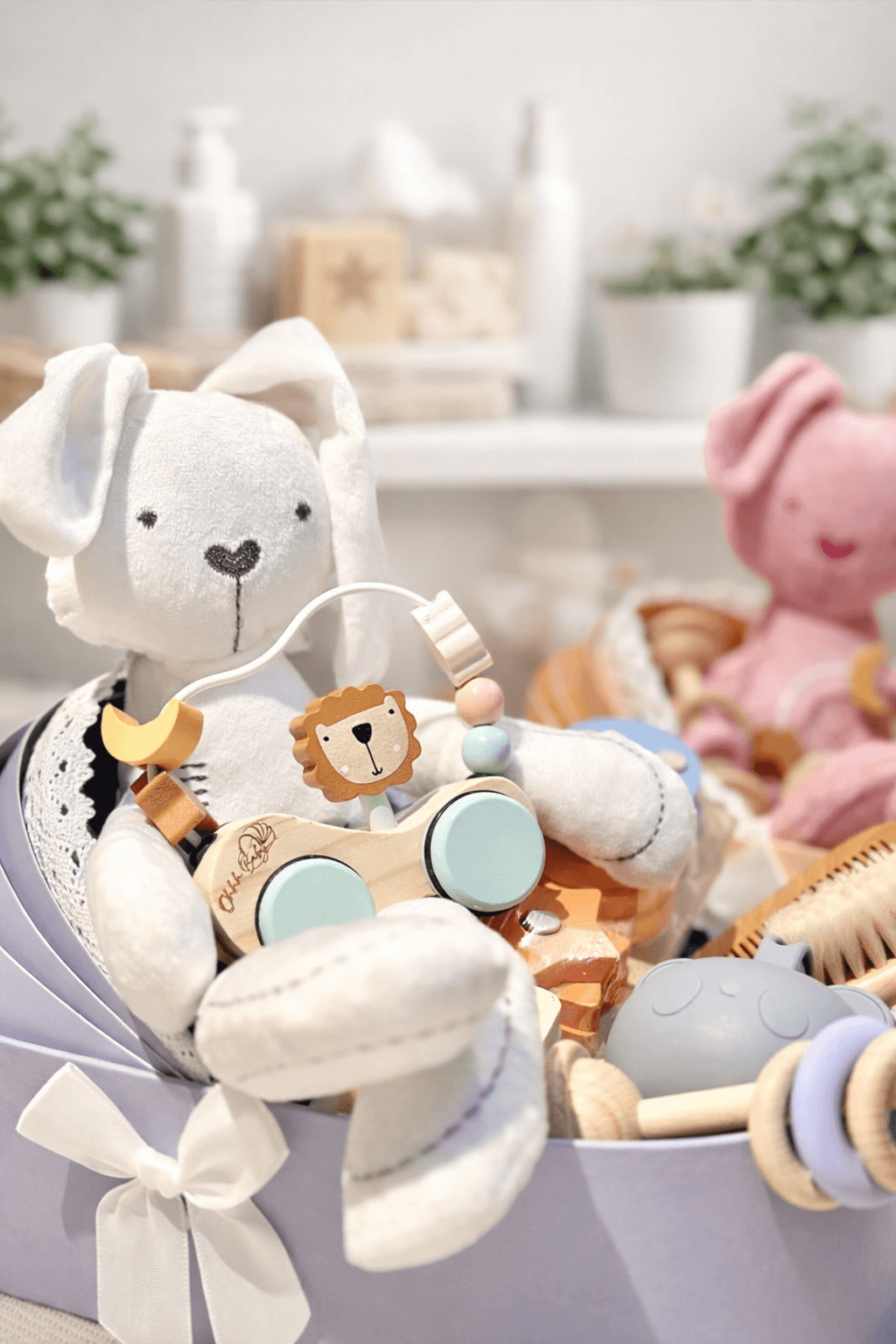
Baby Gifts Parents Actually Want (Not Just Cute Ones)
Skip the drawer of unused babygrows. Find out which baby gifts UK parents genuinely use every day — and how to choose one they'll mention months later.
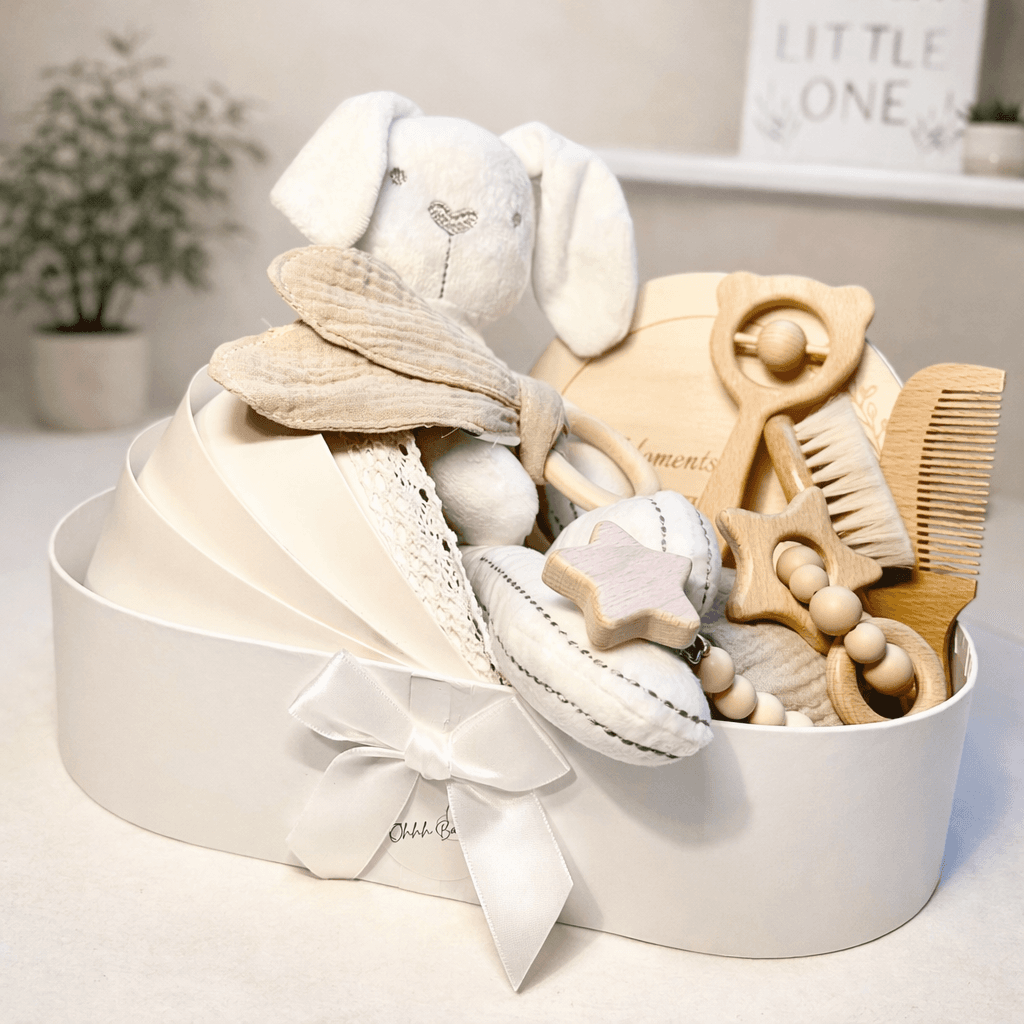
Why a Baby Gift Box Is Better Than Single Gifts
Torn between one lovely gift and a full baby gift box? Here's why a personalised box wins on practicality, keepsake value and sheer delight.