How to Capture Baby Memories with Everyday Essentials
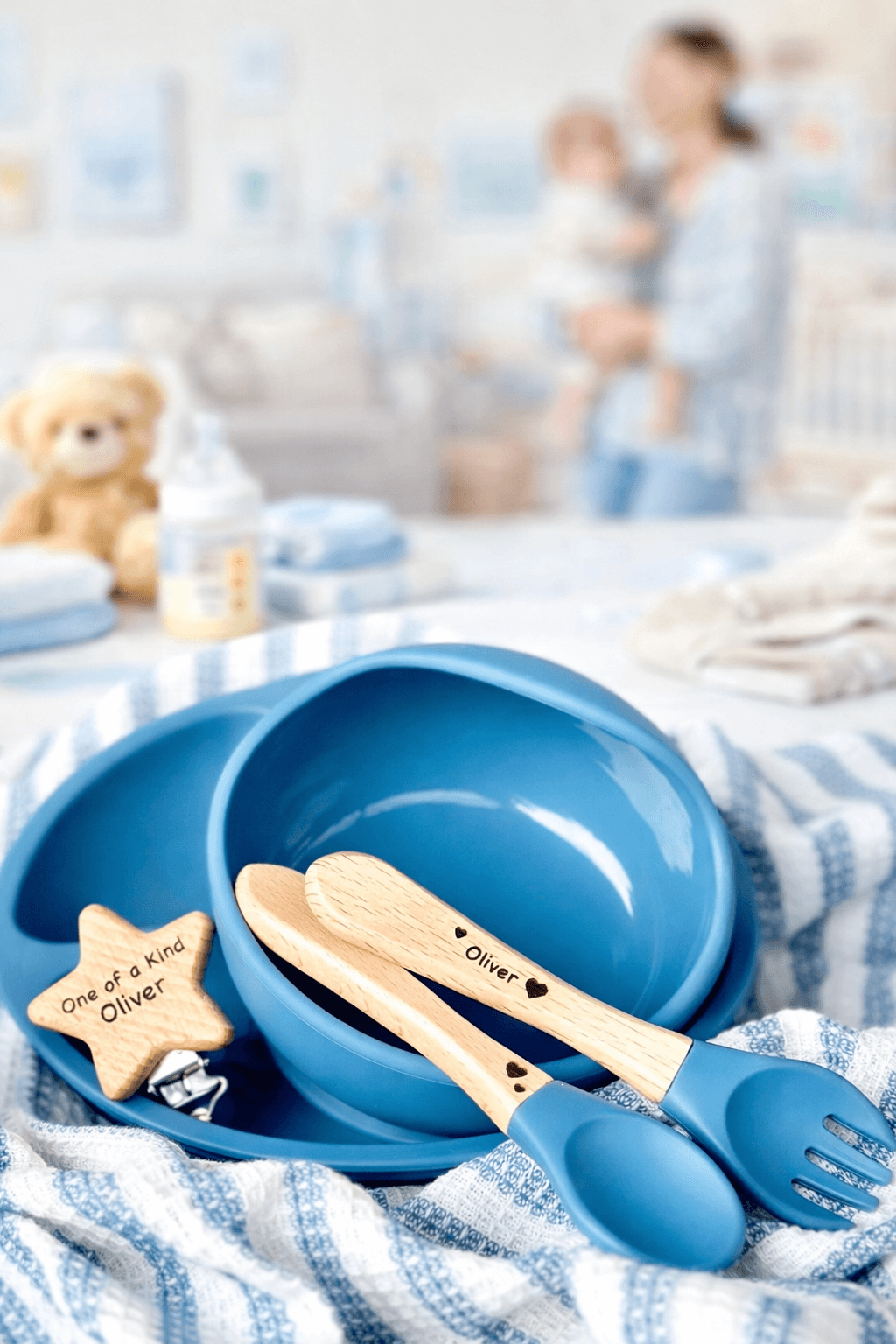
Ask any parent what they wish they’d kept from the newborn days and you’ll rarely hear “more photos”. It’s the things. The muslin that lived on one shoulder for six months. The teddy that had to come everywhere. The teething ring with the well-chewed edge. Everyday essentials quietly soak up the story of your baby’s first year — and with a little intention, you can turn them into keepsakes worth holding onto for decades.
Why ordinary items make the best keepsakes
Photos show you what a moment looked like. Objects bring back how it felt. A muslin comforter carries the memory of every nap it settled; a wooden toy holds the marks of small, determined hands. That’s exactly why the most treasured baby keepsakes tend to be the least glamorous ones — the items that were genuinely used, day in and day out.
So resist the urge to buy things as keepsakes and then hide them away in a cupboard. Choose lovely, useful things, let your baby wear them out a little, and they’ll become keepsakes on their own. We’ve explored this idea properly in our piece on turning baby essentials into keepsakes.
Start with what your baby actually reaches for
You don’t need to save everything. A few well-chosen pieces tell the story better than a loft full of boxes. Good candidates:
- The favourite muslin or comforter — usually obvious by month three, because it’s the one that can never go in the wash without protest.
- A first soft toy — there’s a reason so many adults can still describe theirs in detail; we wrote about that pull in why we remember our first soft toy forever.
- A wooden toy — sturdy enough to survive being loved, and it ages beautifully rather than falling apart.
- Something small and daily — a dummy clip, a first spoon from a feeding set, the hooded towel from those early bath times.
A practical habit: when an item retires, jot the date and one line on a slip of paper — “her hospital muslin” or “the teddy from Grandma, never left his cot”. In ten years, that sentence will be the difference between a random object and a memory.
Pair objects with sounds and little rituals
Some of the strongest memory triggers aren’t visual at all. A wind-up music box played at bedtime becomes the sound of your child’s early years — and unlike a lullaby playlist, it’s still there to wind up when they’re grown. A wooden baby music box works doubly hard here: it’s a soothing part of the routine now, and a keepsake later.
The same goes for rituals. The same towel after every bath, the same toy for every car journey — repetition is what turns an ordinary object into the object.
Give the memories a proper home
Keepsakes scattered across drawers tend to get lost or binned in a house move. What they need is one dedicated box — ideally one that’s lovely enough to keep on a shelf rather than under a bed.
This is one of the reasons we made our gift boxes crib-shaped keepsake boxes rather than throwaway packaging. When you build your own baby gift box, you pick the box in pink, blue or neutral and fill it with essentials — muslins and teddies, feeding sets and hooded towels, wooden toys and music boxes. Boxes come in three sizes (Small £32, Medium £57, Large £80.50, contents included), and once the contents have been used and loved, the crib box itself becomes the memory chest. The gift and the place to keep its story, in one.
Add a name and a date
Personalisation is what makes a keepsake unmistakably theirs. Wooden items — a music box, a stacking toy — can be engraved with your baby’s name, which quietly transforms a nice object into a family piece. Add a handwritten note from whoever gave it, and you’ve captured not just the baby’s story but the people who were there at the start of it.
Keep it easy, or it won’t happen
The memory-keeping that actually survives the newborn haze is the low-effort kind. One box. A pencilled note per item. A photo of the object in use, not just posed. Choose a handful of everyday things, let them do their job, and give them somewhere safe to land — that’s really all it takes to turn an ordinary first year into something your child can hold in their hands.
Looking for the perfect baby gift?
Choose a box colour and size, fill it with handpicked keepsakes and add free personalisation.
Build your own baby gift boxMore from the Journal
More Articles →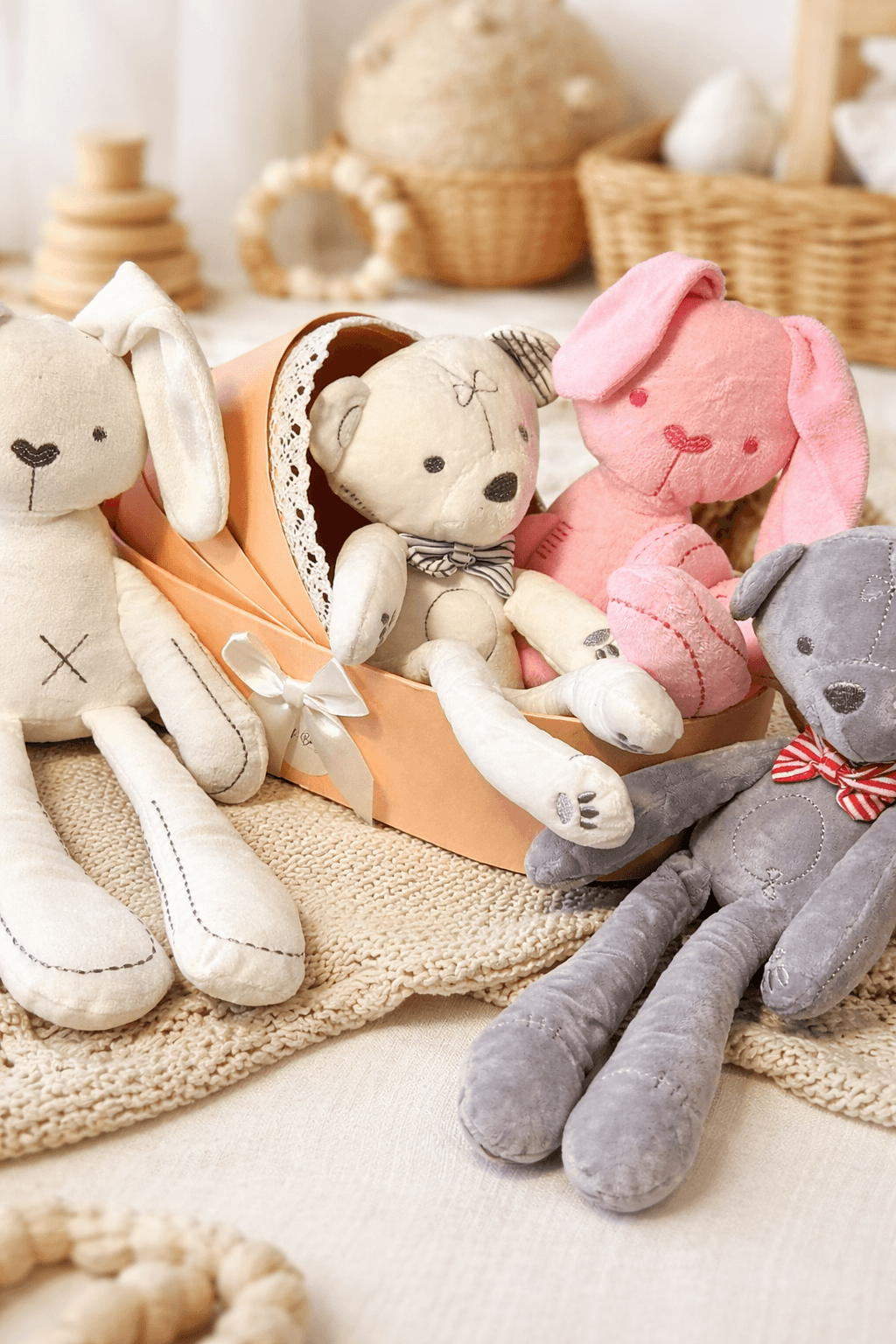
Why a Baby's First Soft Toy Becomes a Memory for Life
Why do first soft toys stay with us for life? How to choose a teddy or comforter a baby will truly bond with, and how to gift it as a keepsake.
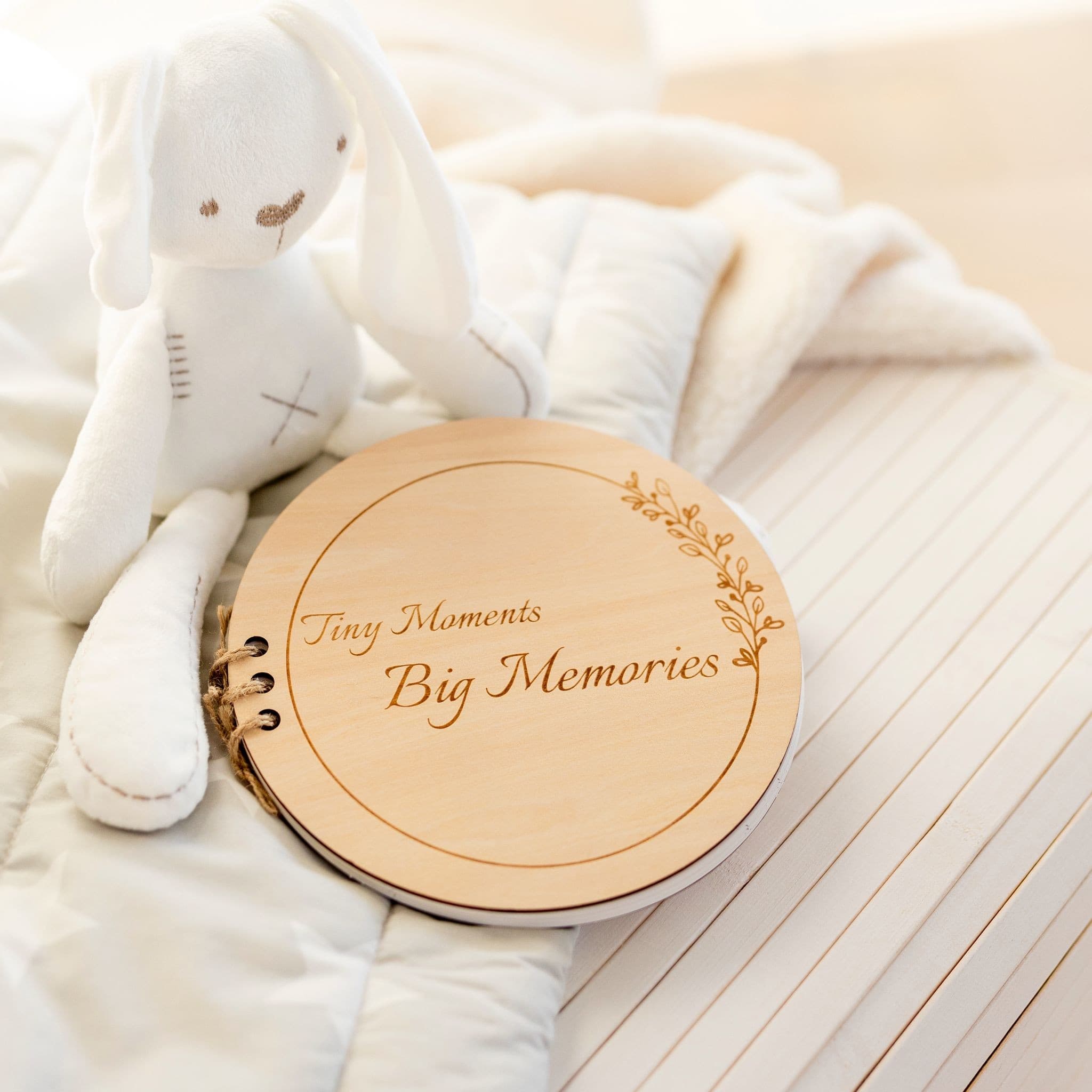
Wooden First Year Book: Turning Tiny Moments into Memories
See how a wooden first year book and engraved keepsakes turn your baby's first-year milestones into memories you can hold — and gift beautifully.
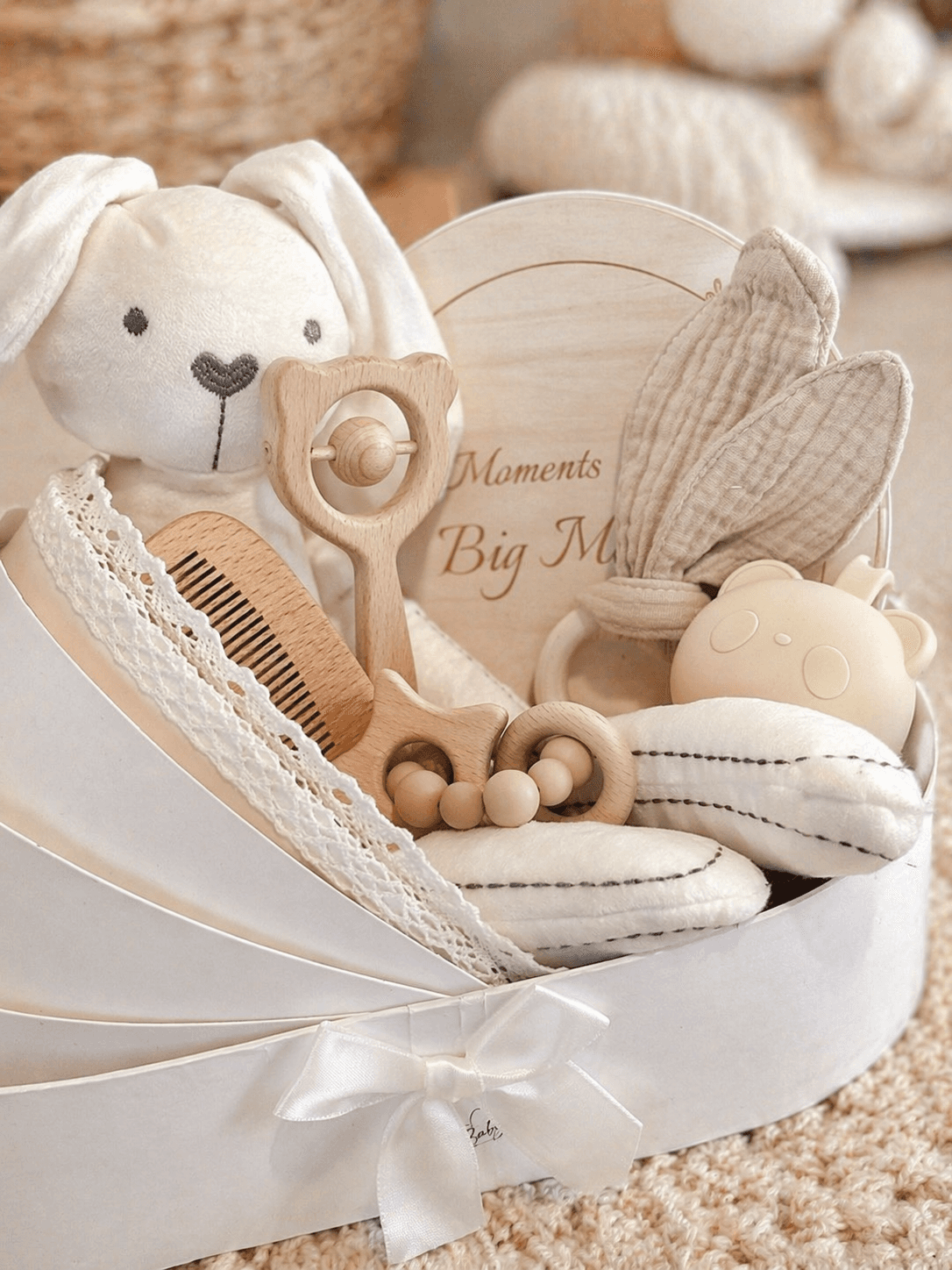
Personalised vs Regular Baby Gifts: How to Decide
Torn between a personalised baby gift and a regular one? When engraving is worth it, when it isn't, and how a build-your-own gift box can give you both.